Parkinson's Disease: A Closer Look
Understanding Parkinson's Disease
Parkinson's disease is a long-term progressive disorder of the central nervous system primarily affecting movement. Initially, the disorder may present symptoms such as tremors, slow movements and rigidity. However, as the disorder progresses, more non-motor symptoms become apparent, such as cognitive and behavioural problems, trouble speaking, sleeping, and walking. Some risk factors of PD include age and gender and they often develop after the age of 60. In some early-onset cases of Parkinson's, an early diagnosis is possible. Many statistics have shown that this brain disorder affects nearly 50% more males than females. Although genes play a role, the cause of the disease remains unknown. Despite this, treatment and medications reduce the effects of PD symptoms, and emerging technologies look more promising than ever.
Looking into the Specs
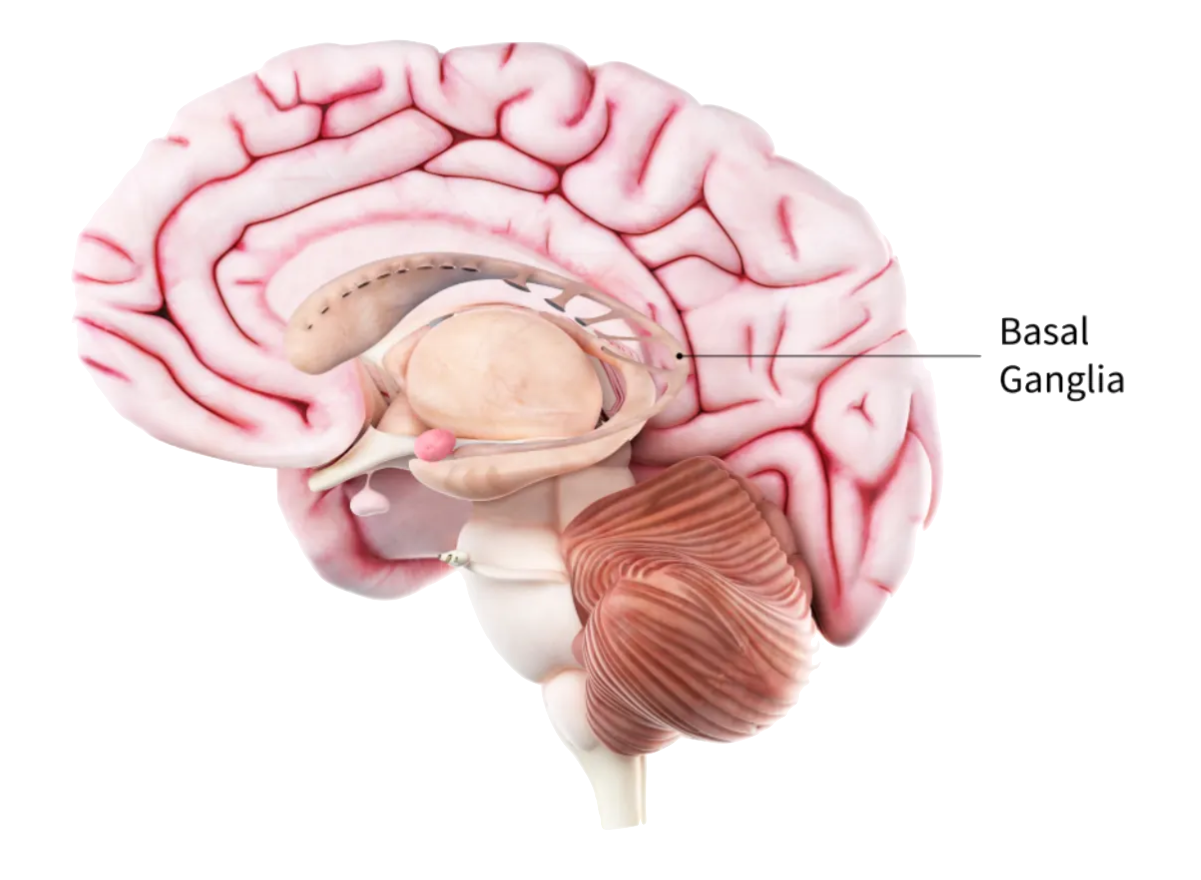
There are many complications that arise in the brain as a result of Parkinson's disease. The brain is composed of many nerve cells, but with PD, these nerve cells degenerate and become unresponsive. Dopaminergic neurons, located in the subset of the basal ganglia, known as the substantia nigra, become impaired or die from damage. These neurons are responsible for producing a chemical messenger called Dopamine. This messenger transmits signals to produce smooth physical movement.
When the neurons die, communication between the brain and muscles becomes disrupted. In some cases, the cells are impaired instead of dying. This is a result of gene mutations that disrupt cell components responsible for eliminating unwanted proteins. The build-up of unwanted proteins leads to neuron death or impairment.
Gene mutations can also affect the mitochondria. As a byproduct of ATP synthase, the mitochondria can produce harmful unstable molecules known as free radicals. Most cells are capable of eliminating the damaging effects of free radicals. However, the mutations disrupt this process and the accumulation of free radicals can result in impairment or the death of dopamine-producing neurons.
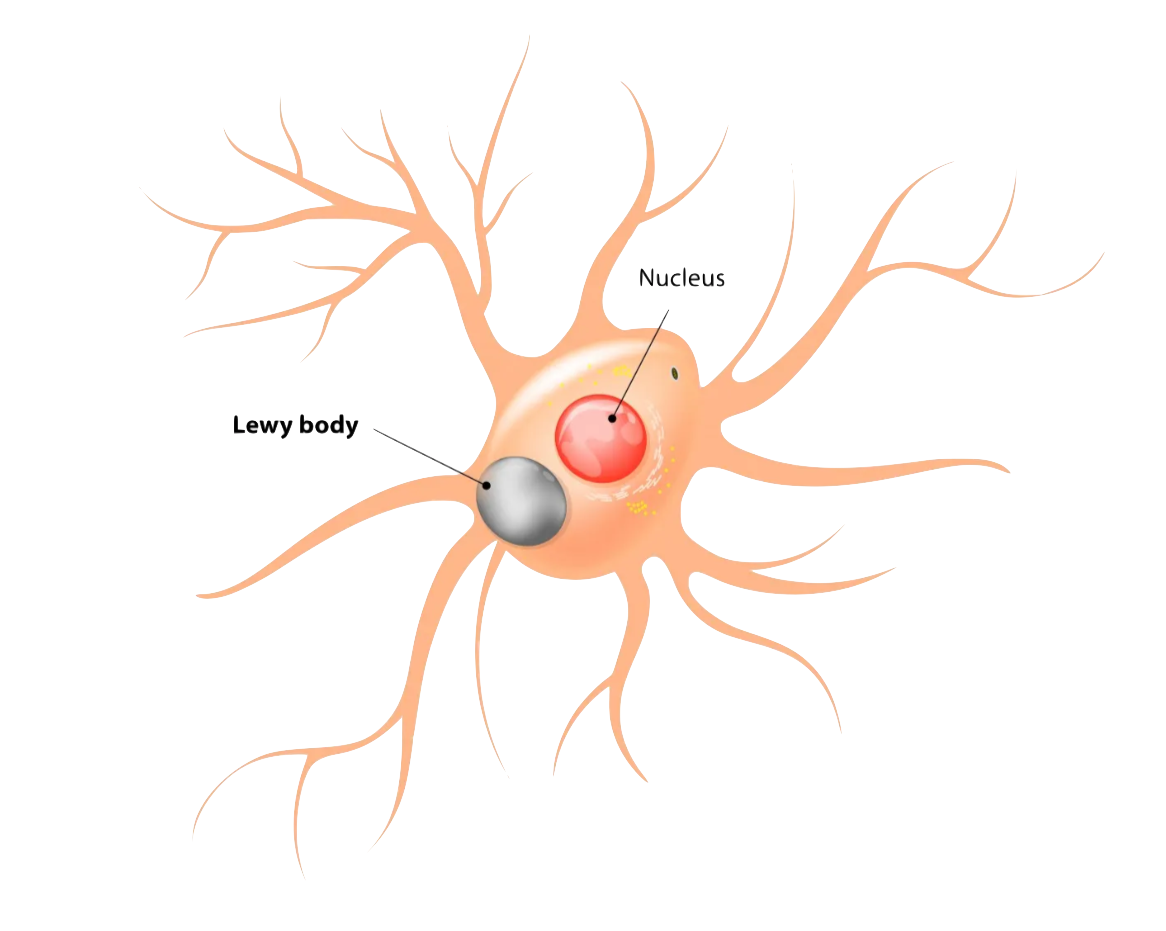
As a result of Parkinson's, protein deposits known as Lewy Bodies develop. A lack of them is sometimes referred to as "Parkinsonism". Scientists continue to determine and research the correlation between Lewy Bodies and their effects on nerve cells. There is only one environmental agent that is found capable of causing Parkinson's: neurotoxin 1-methyl-4-phenyl-1,2,3,6-tetrahydropyridine (MPTP).
Pesticides and herbicides have also been found to increase the risk of Parkinson's disease. Studies have found that low-level exposure to pesticides has the ability to disrupt the cells similar to how PD does.
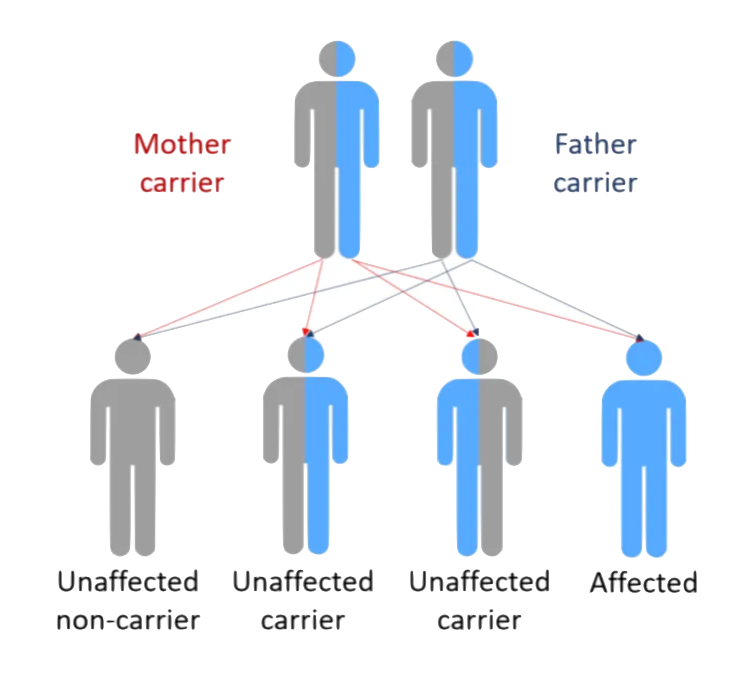
Parkinson's can be inherited through various genetic patterns, including autosomal dominant (One copy of the altered gene in each cell results in the disorder) and autosomal recessive (Two copies of the gene in each cell have been altered). Genetic factors represent 10–15% of all patients diagnosed with Parkinson's Disease.
Some genetic mutations that can be inherited through an Autosomal Dominant Pattern include LRRK2 and SNCA. Others that can be inherited through an Autosomal Recessive Pattern are PARK7, PINK1, and PRKN. Often, the parents of an individual that inherited Parkinson's through an Autosomal Recessive Pattern carry one copy of the gene but do not show any signs or symptoms of the disorder. These genes can also play a role in sporadic cases. Some genes that can increase the risk of developing PD but do not cause Parkinson's include: GBA and UCHL1.
Here's a quick breakdown of Parkinson's Disease:
- Parkinson's > 50: Late-onset disease
- Parkinson's < 50: Early-onset Disease
- Parkinson's < 20: Juvenile-onset Disease
- Braak Stages 1 and 2: The patient is pre-symptomatic
- Braak Stages 3 and 4: Substantia Nigra, Midbrain areas, Basal Forebrain become involved
Identifying Parkinson's
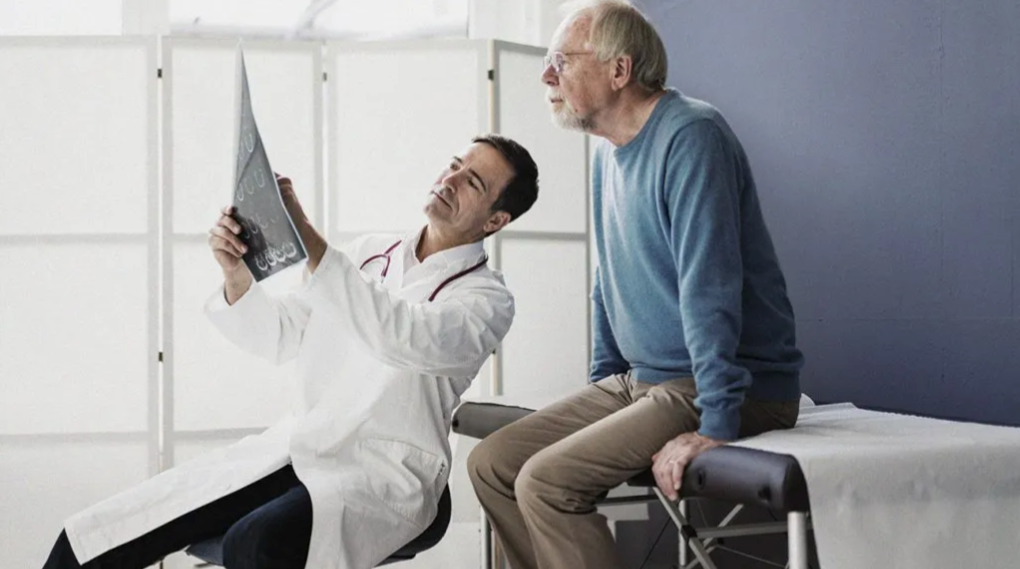
Parkinson's disease is difficult to diagnose at an early stage, and its diagnosis is not always accurate. The doctor examining the patient must take into consideration a variety of variables including symptoms, family history, and other factors that may influence the development of the disease. Most methods of early diagnosis of PD remain clinical, as there are no tests (i.e. blood tests) that are capable of effectively yielding the desired data. Therefore, physical symptoms are a more reliable metric when diagnosing PD. Although having one early sign/symptom does not guarantee Parkinson's disease, it is recommended to see a doctor when experiencing multiple symptoms.
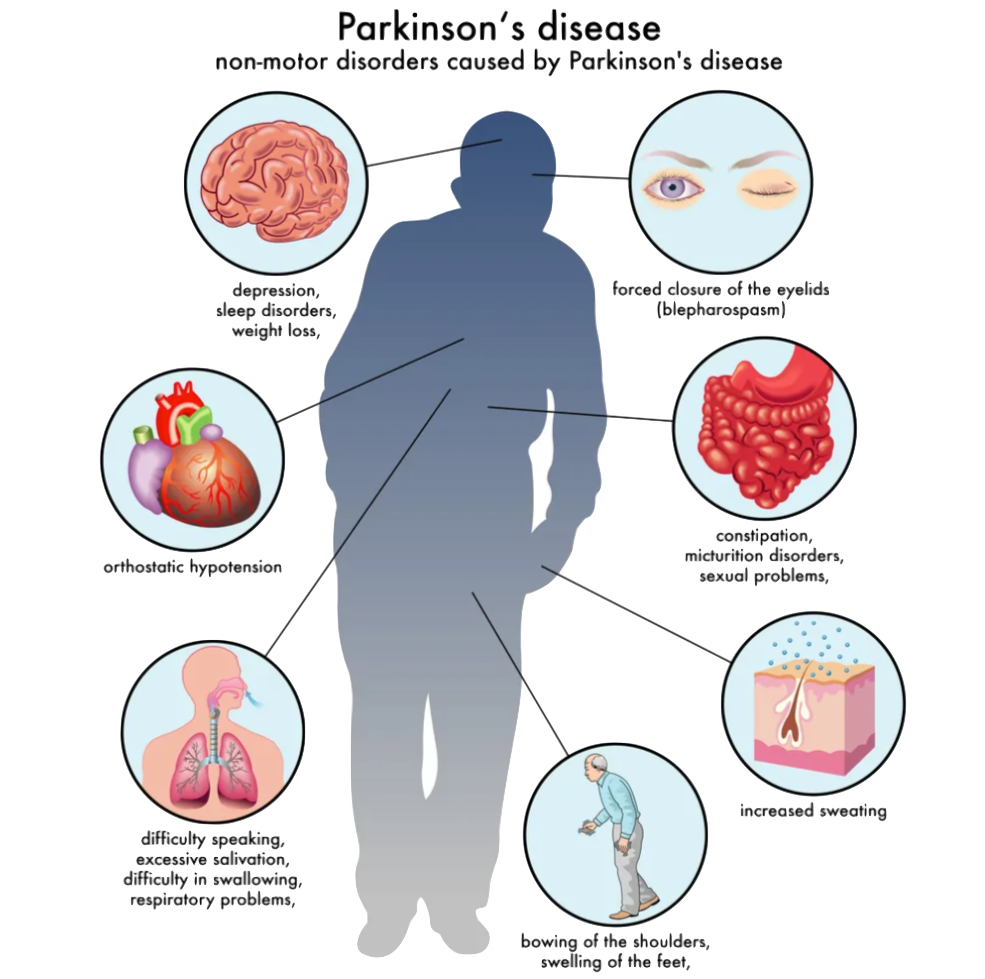
The following PD indicators are taken into consideration:
- Tremor: Gentle feeling of shaking in areas of the chin, palm, thumb and finger while at rest.
- Loss of smell: Degradation of smelling capabilities of certain foods such as dill pickles, bananas, licorice, etc.
- Small handwriting: Change in writing such as cramping of words and progressively writing shorter letters.
- Trouble sleeping: Sudden abnormal jerks and movements while sleeping.
- Difficulty with motor skills: Prolonged stiffness and pain in areas of the hips and shoulders causing difficulty walking and moving.
- Constipation: Straining to move bowels without medication or diet causing the problem.
- Soft or low voice: Sudden change of voice tone to hoarse without the cause of having a cold.
- Dizziness: Low blood pressure and feeling of regular dizziness and/or fainting whenever standing up.
- Cognitive impairment: Difficulty thinking, memorizing, remembering, hallucinations personality changes and loss of memory.
Treating Parkinson's Disease
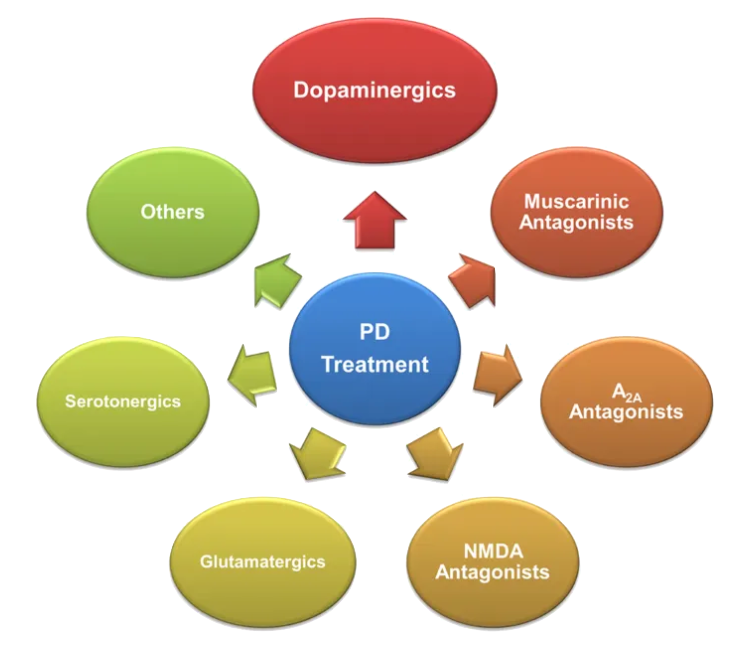
Unfortunately, Parkinson's disease does not have a direct cure. However, there are certain medications, therapy, and self-care procedures that can help reduce symptoms. These medications and procedures include dopamine precursors, COMT inhibitors, dopamine agonists, MAO-B inhibitors, deep brain stimulation, carbidopa enteral suspension, thalamotomy, pallidotomy, physical therapy, and occupational therapy.
Dopamine precursors and agonists help increase dopamine in the brain through drugs and receptors, to combat the disease. COMT inhibitors and MAO-B inhibitors are also used to increase the amount of dopamine in the basal ganglia (a part of the brain that is responsible for events like tremors).
Levodopa is a medication given to many patients diagnosed with Parkinson's. The nerve cells absorb this medication and transform it into Dopamine. It is typically found as a pill or liquid and can be combined with other medications such as Carbidopa and Benserazide to reduce side effects.
Deep brain stimulation is a surgical procedure that is necessary for more severe cases of Parkinson's to treat movement symptoms like tremors, and mobility problems. Carbidopa enteral suspension is a drug that is sent towards the small intestine through a hole in the stomach, made during surgery. Thalamotomy is destroying parts of the thalamus (a part in the brain that allows movement and sensing), to prevent movement issues. Pallidotomy is the cutting of the globus pallidus; a part of the brain that causes all symptoms of Parkinson's disease.
Finally, there is physical and occupational therapy that can be performed to help with movement disorders and healthy daily practices like eating, walking, etc. In the end, self-care allows one suffering from Parkinson's to have control over how much they can improve their condition.
Takeaways

Despite advances in research, a lot remains unknown about the disease, particularly its causes and risk factors. Researchers are still working on the matter, and soon key factors related to the disorder will be identified. The key is for all of us to remain alert to our own risk factors and potential early symptoms. Emerging technologies in the healthcare field are enhancing the possibilities for a cure that can improve the quality of life.