A World With Ataxia
Learning About Ataxia
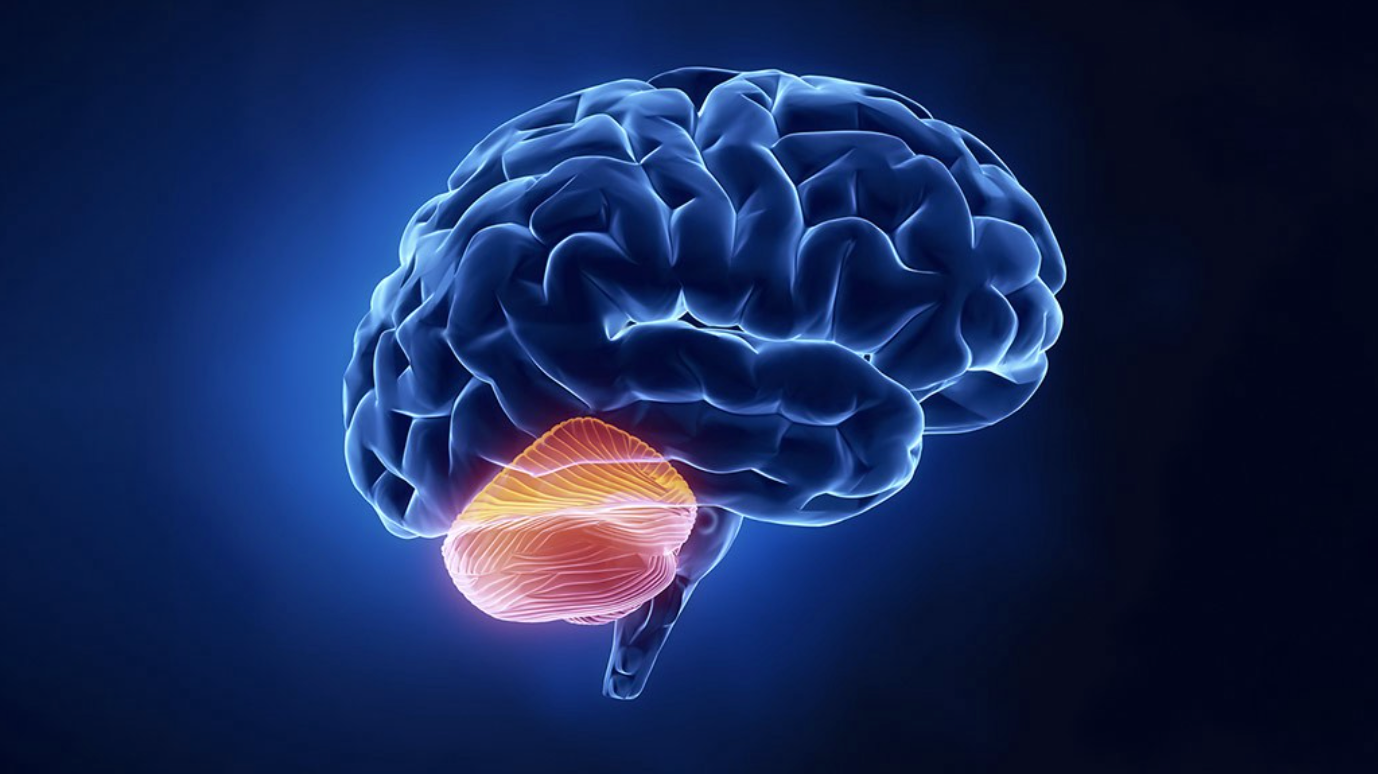
Ataxia; the inability to coordinate voluntary muscle movements, is a detrimental neurodegenerative disease affecting nearly 1 in 40 000–100 000 individuals worldwide. Ataxia typically develops when the cerebellum; an integral part of the brain that controls muscle movements, becomes negatively affected. Some of these muscle functions include speech, swallowing, and eye movement. Additionally, the disorder can develop from diseases that affect the spinal cord and peripheral nerves. The underlying factors that influence Ataxia diagnosis include family history (genes), strokes (depriving brain tissue of essential nutrients), autoimmune diseases, infections, vitamin deficiencies (lack of nutrients in the body), and thyroid problems. A patient with Ataxia has symptoms such as slurred speech, deterioration of motor skills, trouble eating, tremors, heart problems, eye problems, and gait abnormalities (limbs) as the nerves that control such functions have been impaired. Unfortunately, there are no current treatments available to mitigate severe long-term and short-term effects of Ataxia, however, few medications are proven to be effective.
A Dive Into the Details
While some forms of Ataxia are hereditary and are inherited through a gene defect, others can be acquired through external influences, including a lack of body homeostasis.
Hereditary Ataxia is a result of a gene defect resulting in abnormal protein production. The abnormal proteins disrupt the function of nerve cells in the cerebellum and the spinal cord, causing them to degenerate. It can be inherited through a dominant gene from one parent (autosomal dominant disorder), or a recessive gene from both parents (autosomal recessive disorder).
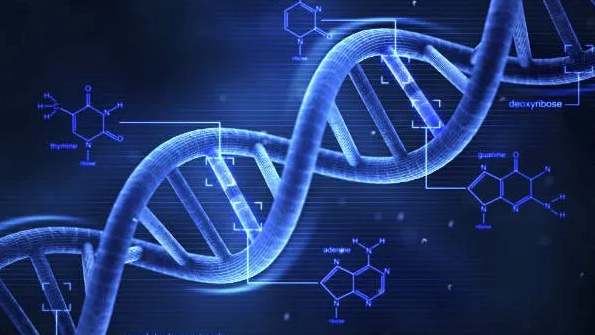
In Autosomal Recessive Ataxia, it's possible that the parents are unaware that they are a carrier of the gene. As a result, neither parent is diagnosed with the condition (one recessive gene does not result in Ataxia) and it is more difficult to identify family history. There are various forms of recessive Ataxia namely: Friedreich's and Ataxia-telangiectasia.
Friedreich's Ataxia is the most common form of hereditary ataxia. It damages the cerebellum, spinal cord, and peripheral nerves. Signs and symptoms typically appear well before the age of 25 and the progression can vary, beginning with difficulty walking known as 'Gait Ataxia'. This can then expand to the arms and trunk, where muscles get weaker and waste away causing deformities. These deformities are commonly located in the feet, lower legs, and hands.
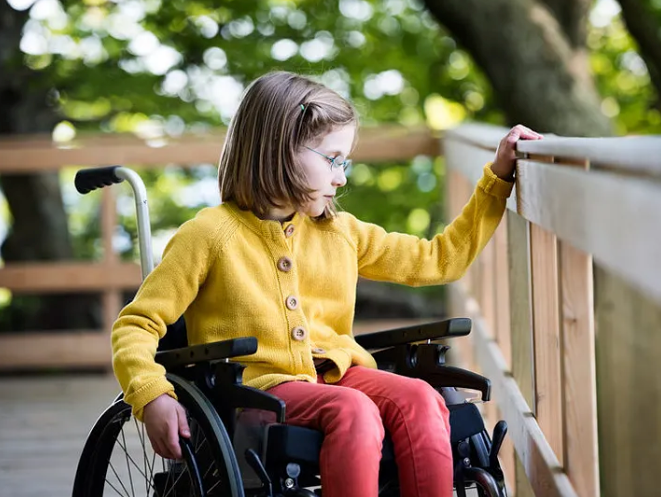
Ataxia-Telangiectasia is rare and more progressive. It is usually identified by the formation of red 'spider' veins in childrens' eyes, ears, or cheeks, and is known to be an immunodeficiency disease. This increases the patient's vulnerability to other diseases, such as infections and tumors. The first signs of the disease include delayed motor skill development, poor balance, and slurred speech. Children with this condition are at high risk of developing cancers, namely Leukaemia and Lymphoma. Many will require a wheelchair by the time they reach their teenage years and rarely survive past the age of 30.
Autosomal Dominant Ataxia only requires one dominant gene for diagnosis. Scientists have identified over 40 autosomal dominant ataxia genes that are classified as 'Spinocerebellar Ataxias' and there are 8 forms of recognized Episodic Ataxias that are not progressive. They consist of EA1 — EA7 and late-onset Ataxia. The most common forms of Episodic Ataxia include EA1 and EA2. EA1 can last seconds, maybe minutes, while EA2 is significantly longer, and can range from 30 minutes — 6 hours. Episodic Ataxia does not shorten the lifespan of an individual and symptoms are known to respond positively to various medications.
Acquired Ataxias are formed when there are external factors resulting in the development of the condition. Examples include Vitamin deficiencies, Autoimmune conditions, Infections, Exposure to toxic substances such as drugs and alcohol, cancers, etc.
Sporadic Ataxia is one that occurs without any known hereditary evidence. All other forms of Ataxia must be eliminated before making this diagnosis. Sporadic Ataxia can be 'pure cerebellar' or 'cerebellar plus'. The latter constitutes that there are additional symptoms in addition to the damage of the cerebellum, such as neuropathy, dementia, weakness, rigidity, and spasticity of muscles.
Various terms used to diagnose Sporadic Ataxia include Olivopontocerebellar atrophy (OPCA), Olivopontocerebellar degeneration, and Idiopathic late-onset cerebellar atrophy or degeneration (ILOCA or ILOCD).
Signs of Ataxia
Symptoms vary among Ataxia patients. However, Ataxia can be identified by a series of common symptoms such as:
- Posture abnormalities: Ataxia patients may find it difficult to run, balance, and maintain an upright posture. Due to cerebellar dysfunction, the disorder also affects the way in which someone walks, causing staggering, imbalance, tripping, and falling.
- Incoordination of Fine-Motor Skills: Patients may find it difficult to handwrite, open jars, play an instrument, or play sports.
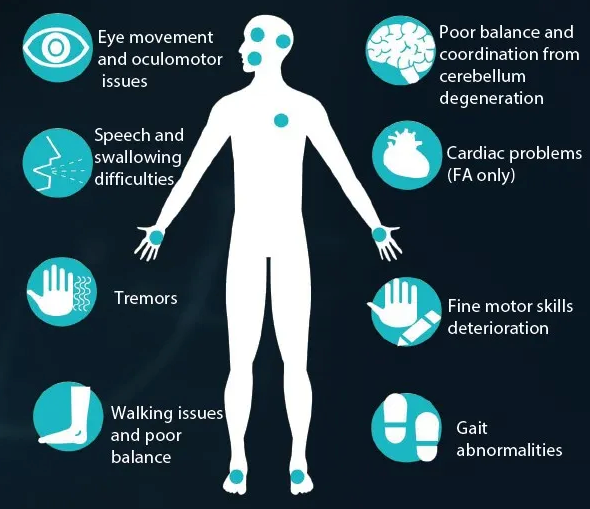
- Visual difficulties: Difficulties reading due to blurred or double vision, and trouble following moving objects.
- Speech and Swallowing difficulties: Difficulties swallowing (more particularly with liquids), and abnormal speech: slow, slurred, and atypical rhythm.
- Fatigue and Cognitive Issues: Due to cerebellar atrophy, Ataxia patients tend to experience fatigue when performing everyday activities. They are required to concentrate and focus on their movement, as uncoordinated motion results in unexpected fatigue. Along with the motor skills difficulties, Ataxia patients can experience cognitive and emotional problems. They can obtain mood disorders, leading to increased depression, anxiety, and irritability.
Helping Those Affected
Unfortunately, ataxia does not have any cure. Treating ataxia primarily depends on an individual's specific condition. Sometimes, finding the root cause of the ataxia, and stopping it can help resolve it. In a few cases where it is a byproduct of another illness, it may cure itself.
Therapies and assistive tools have been proven effective in the fight against ataxia. Since ataxia causes mobility issues and hindrances for patients, there are many devices that can help those affected to adapt to lifestyle changes. Examples of assistive tools that can help include hiking sticks for walking, communication aids for speaking, altered utensils for eating, etc.
If done regularly, therapies also have a large impact on patients with the disorder. Examples of these therapies include physical, occupational, and speech therapy. Physical therapy aids in exercising the body, which improves weakened coordination and body skills. Occupational therapy involves performing daily tasks and adapting to the condition. Finally, speech therapy aids in eating, as well as speaking.
The Bottom Line

Being diagnosed with a condition like ataxia, where there is not much to go on for treatments or medications, seems like a dead-end. Though the Mayo Clinic has been working on clinical studies and trials of possible treatments for Ataxia, and how to rid its side effects and root cause. As a result, there is much evidence showing that the condition can be resolved with enough self-determination to get through the worst parts and overcome it. With the power of emerging technologies, a solution may be well on its way.